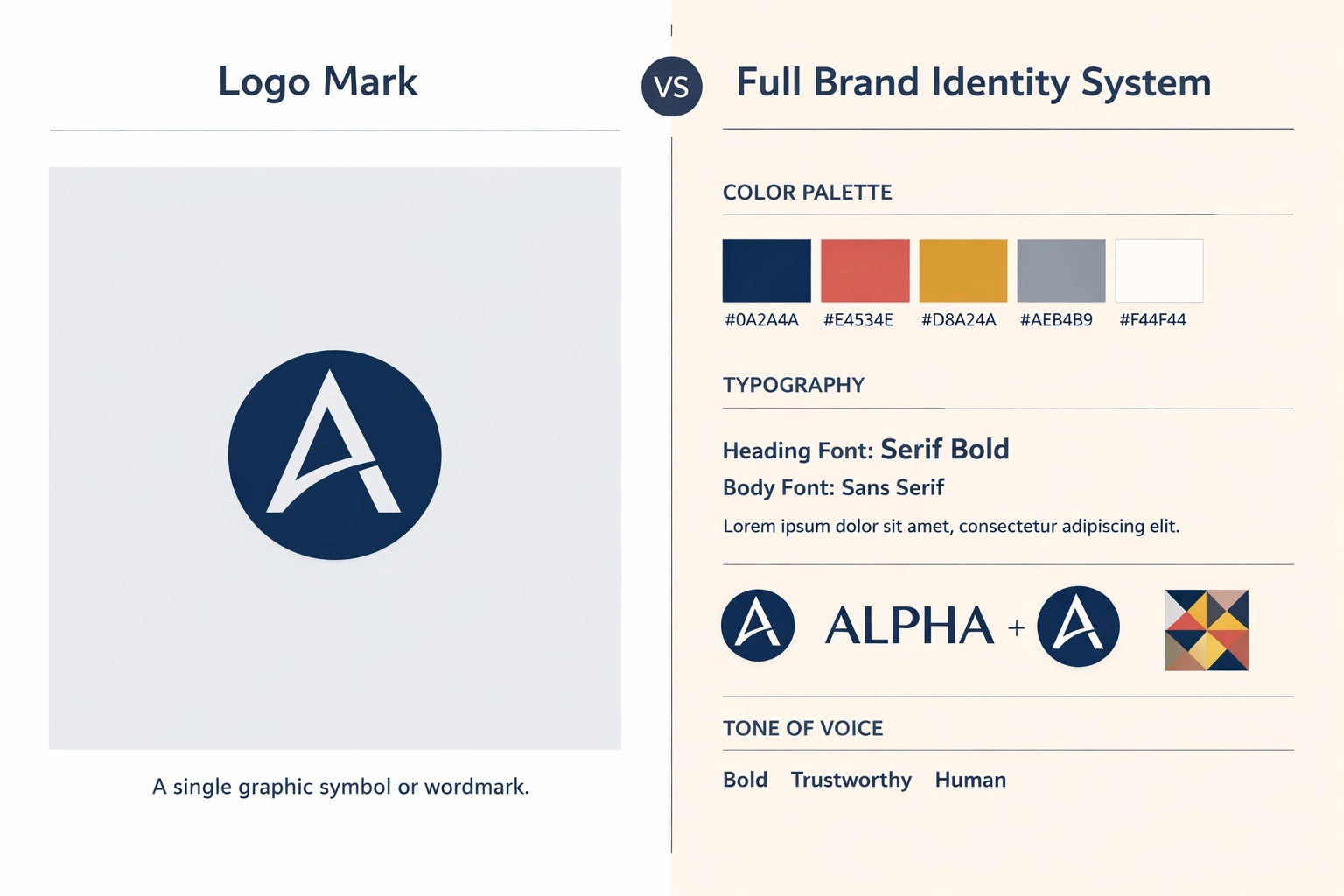

So, you’ve just had a logo designed. It looks great. It’s clean, it’s modern, and you’re dead proud of it. Job done, right?
Not quite.
Here’s the thing — and this is where a lot of small businesses trip up — a logo and a brand are not the same thing. Understanding the difference between a logo and a brand could honestly be one of the most important things you do for your business this year. Get it wrong, and no matter how beautiful your logo is, your business will still feel forgettable to the people you’re trying to impress.
In this article, we’re going to break it all down in plain English — no jargon, no fluff — so you can make smarter decisions about your business and actually start building something people remember.
Quick Summary:
What Is a Logo? (And Where It Fits in Your Brand)
Think of a logo like your name badge at a networking event. It tells people who you are at a glance. It’s a visual symbol — a combination of shapes, letters, colours, and sometimes an icon — that identifies your business.
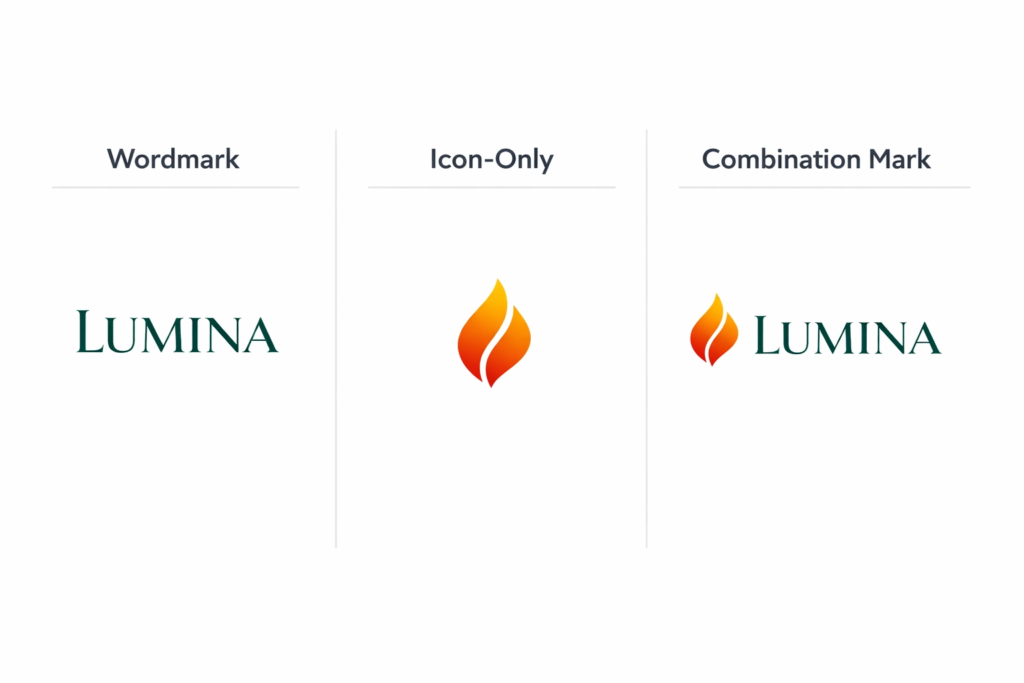
Your logo might be:
- A wordmark (just your business name in a specific font — think Google or Coca-Cola)
- An icon or symbol (like the Apple apple or Nike swoosh)
- A combination of both
A well-designed logo is brilliant for recognition. When someone sees it, they immediately know it’s you. But — and this is a big but — a logo on its own doesn’t tell people why they should care about you, what you stand for, or how you make them feel.
What Is a Brand? (The Bigger Picture Behind Your Logo)
Right. Here’s where it gets interesting.
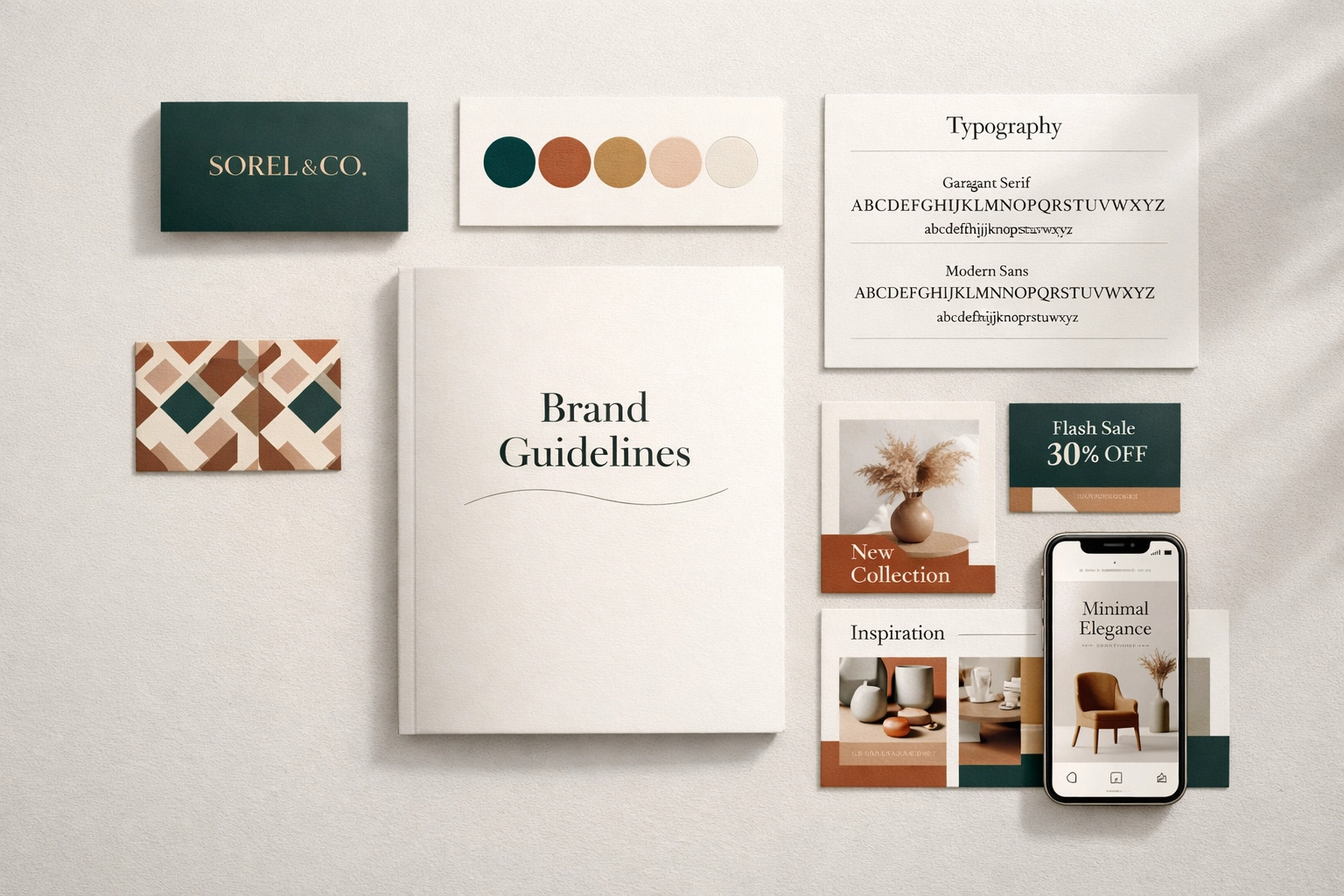
Your brand is everything else. It’s the full picture of how your business shows up in the world — how it looks, how it talks, how it makes people feel. If your logo is your name badge, your brand is your entire personality.
Imagine your business walked into a room full of potential customers. Your brand is:
- The way it’s dressed (your colours, fonts, visual style)
- The way it speaks (your tone of voice)
- The values it holds (what you stand for)
- The experience it delivers (how customers feel when they work with you)
- The reputation it’s built (what people say when you’re not in the room)
That last one is actually a famous quote — often attributed to Jeff Bezos — and it’s spot on. Your brand is what people say about you when you’re not around. A logo can’t control that. Only a proper brand strategy can.
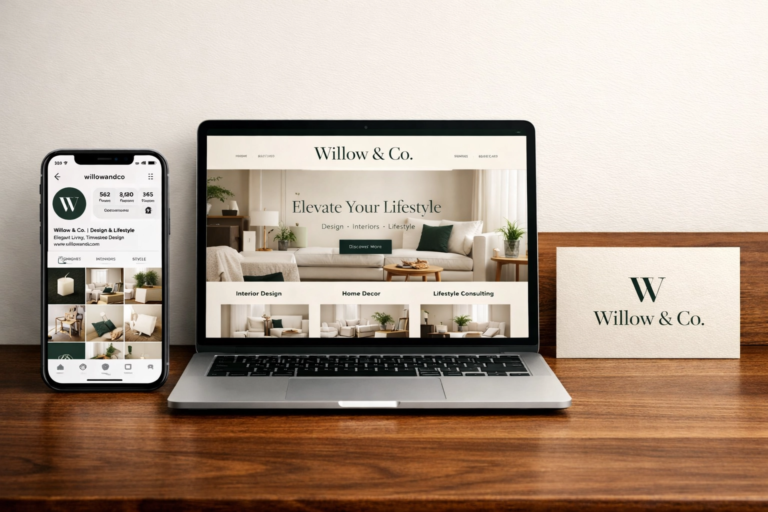
Brand identity is the visual and verbal system that brings your brand to life — think of it as the toolkit that makes your brand consistent everywhere, from your website to your Instagram to the way you reply to emails.
Logo vs Brand: The Key Difference Between a Logo and a Brand
Let’s put it side by side so it’s crystal clear:
| Logo | Brand | |
|---|---|---|
| What it is | A visual mark or symbol | The full identity, feeling and reputation of your business |
| What it does | Identifies your business at a glance | Builds trust, loyalty and recognition |
| How it’s created | Designed by a graphic designer | Built through strategy and design together |
| Where it lives | On files, your website, your products | In every single customer interaction |
| Can you have one without the other? | Yes — but it’ll feel hollow | Not really — a brand without a visual system is invisible |
A logo is part of your brand. It’s one piece of the puzzle. But a brand is the whole picture — and without it, even the most stunning logo will fail to build the trust and connection your business needs to grow.
Why the Difference Between a Logo and a Brand Actually Matters
You might be thinking: “I’m a small business — does this really apply to me?”
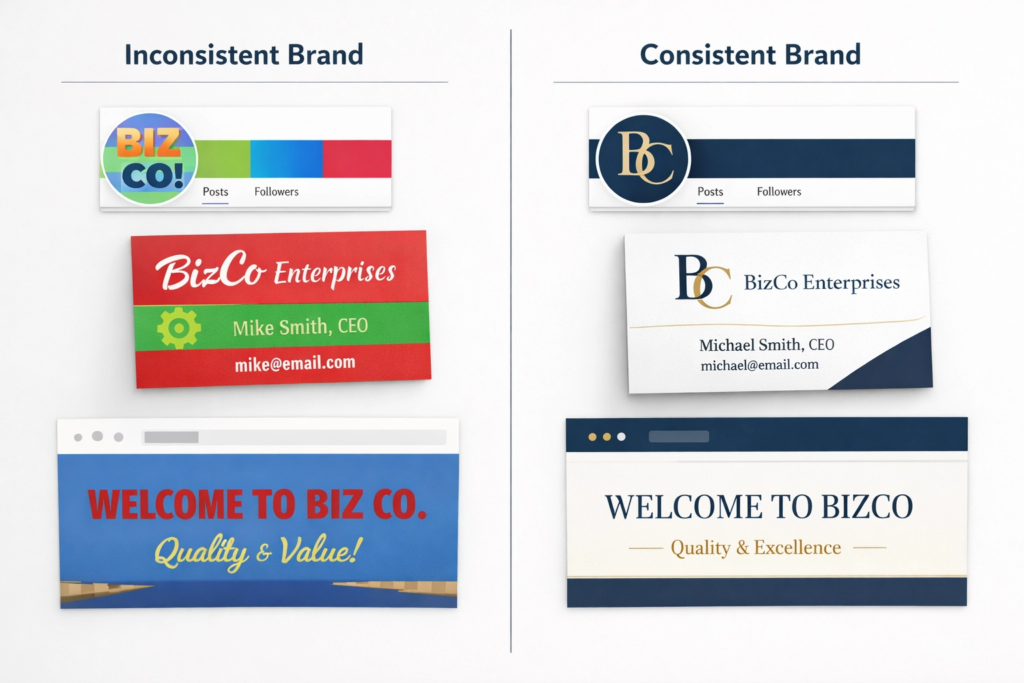
Absolutely yes. In fact, it matters more for smaller businesses, because you don’t have a massive marketing budget or years of brand recognition to fall back on. You need people to get you immediately — and that’s what a strong brand does.
Here’s what happens when businesses only have a logo and nothing else:
- Inconsistency creeps in – Your Instagram looks nothing like your website. Your proposals look different to your invoices. Customers can’t tell it’s all the same business.
- Trust doesn’t build – People buy from brands they recognise and trust. If your business looks and feels different everywhere, you come across as unpolished — even if your actual service is brilliant.
- You become forgettable – In a crowded market, being forgettable is expensive. A strong brand makes you the obvious choice, not just another option.
Research consistently shows that businesses with consistent brand presentation see significantly higher revenue than those without — some studies suggest the difference can be as much as 20–23% in revenue growth for businesses that invest in brand identity.
The bottom line? Your logo gets you noticed. Your brand gets you chosen.
Common Branding Mistakes Small Businesses Make (Once They Know the Difference)
We see these all the time. (Don’t feel bad if you recognise yourself here — most people start out the same way.)
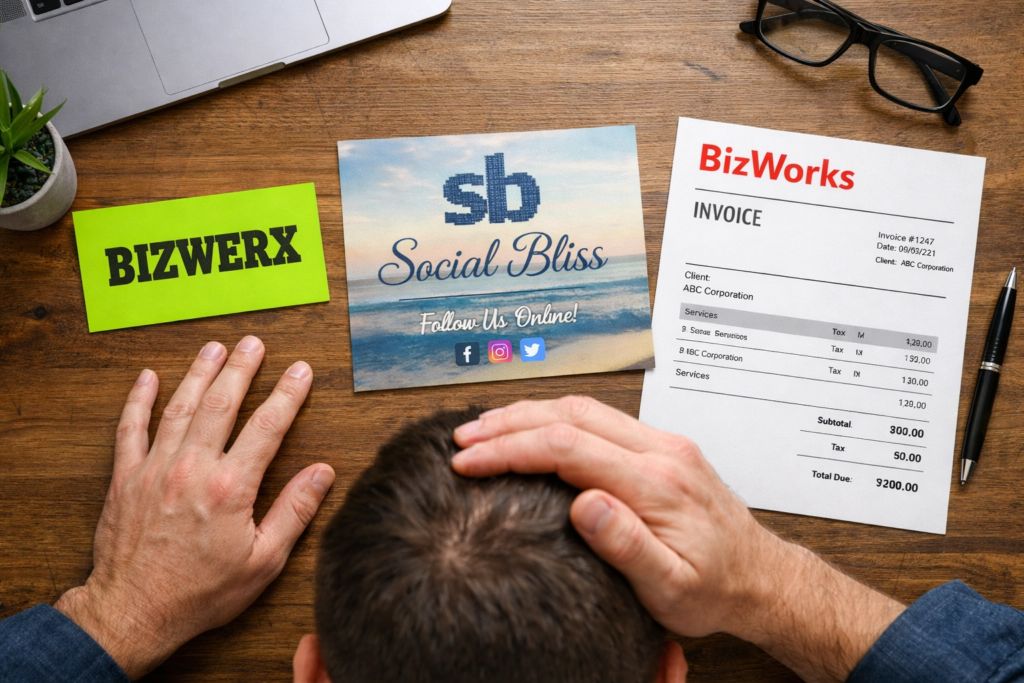
- Treating the logo as the finish line – Getting a logo designed is a great first step, but it’s just that — a first step. Without colours, fonts, a tone of voice, and brand guidelines, you’ll be stuck making design decisions from scratch every single time.
- Inconsistency across platforms – Your Facebook page uses one version of your logo, your website uses another, and your business cards use a completely different font. It creates confusion — and confusion kills trust.
- No defined tone of voice – What does your business sound like? Friendly and chatty? Professional and authoritative? Warm and reassuring? If you don’t know, your customers definitely won’t. And inconsistent messaging makes your brand feel disjointed.
- Rebranding every time things feel stale – A lot of businesses start tweaking their logo or colours at the first sign of slow growth, when really the problem is the lack of a coherent brand strategy. Brand equity takes time to build — consistency is key.
- Skipping brand guidelines – Brand guidelines are basically the rulebook for your brand. They tell anyone creating content for your business exactly how to represent it. Without them, things quickly go off the rails.
Not sure where your brand currently stands? Our Brand Quiz takes just a few minutes and tells you exactly what stage you’re at and what to focus on next.
Logo vs Full Branding: Which One Does Your Business Actually Need?
Good question — and the honest answer is: it depends where you are in your business journey.
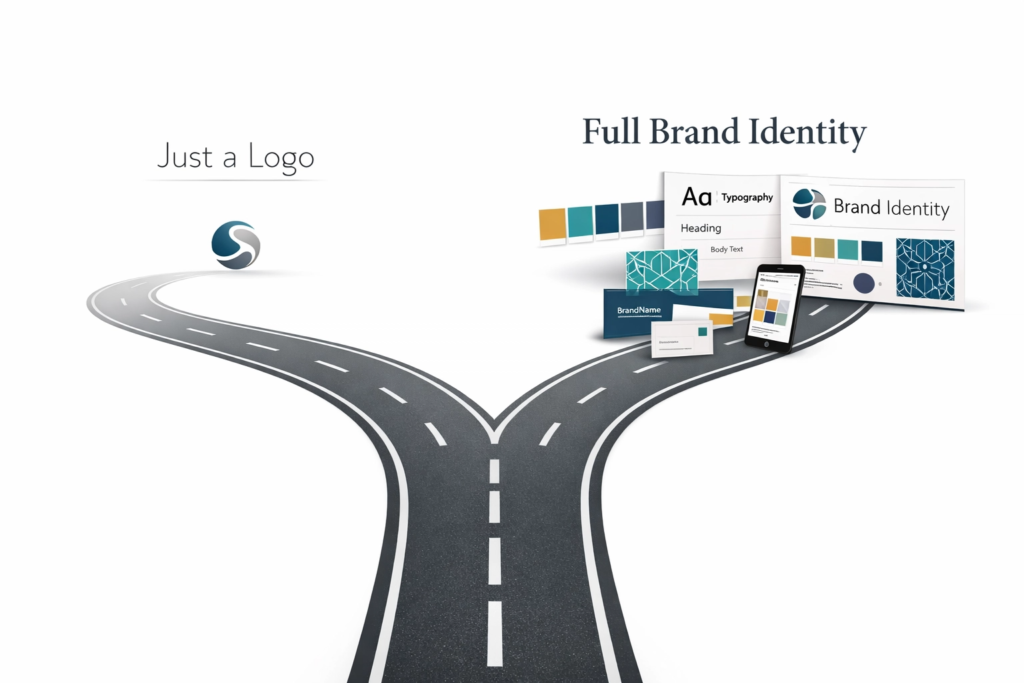
Just a logo might be enough if…
- You’re in the very early stages, testing an idea or launching a side project
- You’re on a tight budget and need something to get started
- You just need a placeholder while you validate your concept
You need full brand identity if…
- You’re ready to grow and attract proper clients
- You’re pitching to other businesses or bigger clients
- You want to stop competing on price and start competing on value
- Your current brand feels inconsistent, amateur or outdated
- You want your website, social media and marketing materials to actually work together
Think of it this way: a logo is the seed, but brand identity is the tree. If you want growth, you need the tree. Take a look at our branding packages to see what’s included at each level — there’s something for every stage of business.
What Does a Full Brand Identity Actually Include?
Since we’re clearing things up, let’s talk about what you’re actually getting when you invest in brand identity — beyond just the logo.
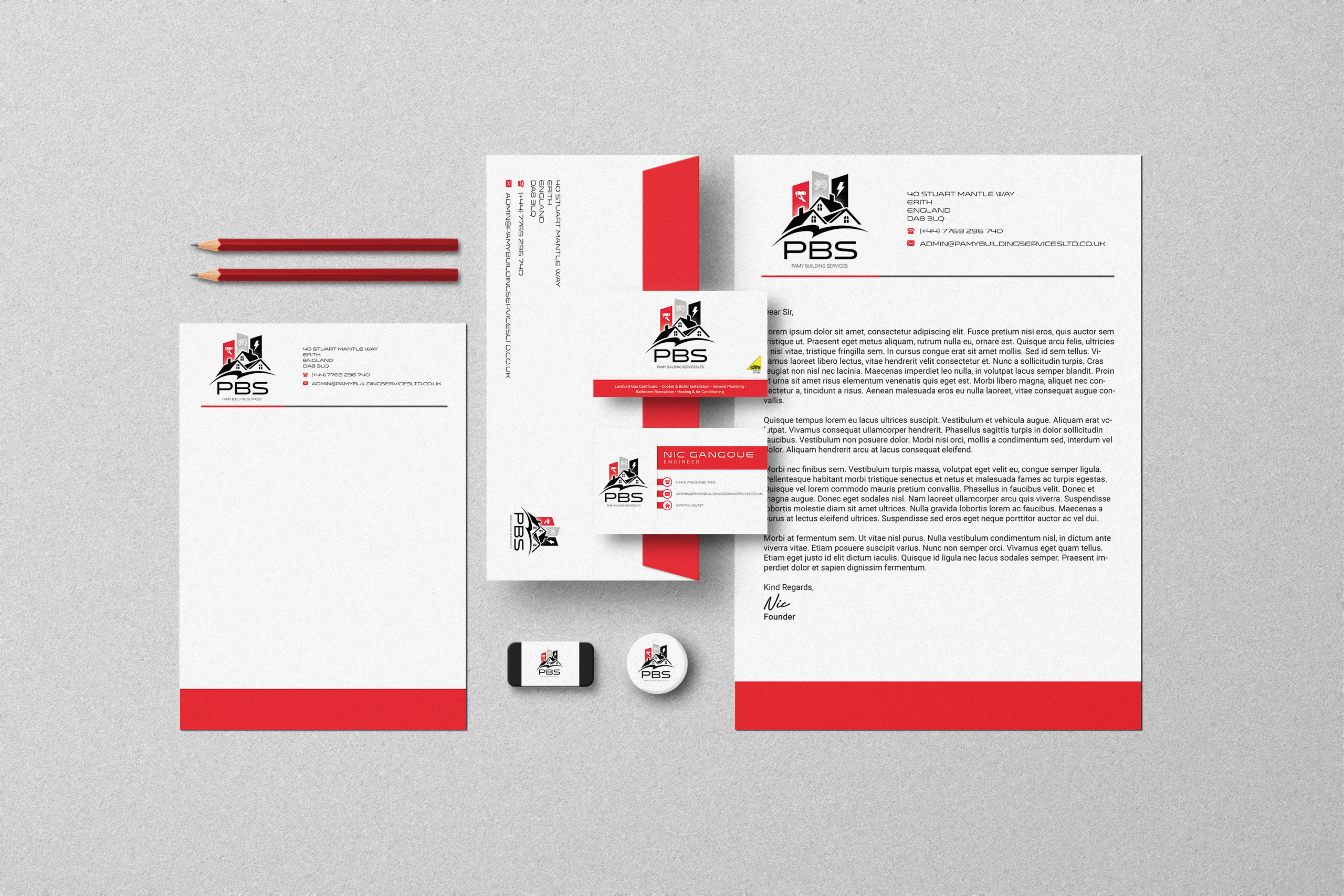
A solid brand identity package typically includes:
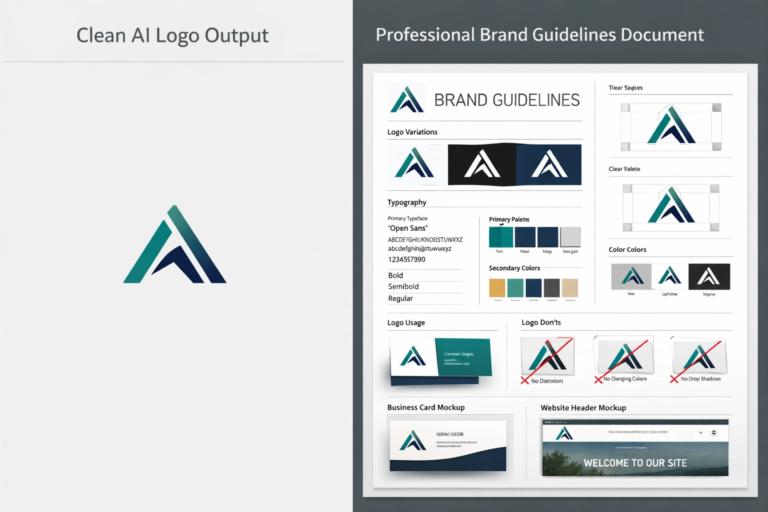
- Primary logo (and variations — horizontal, stacked, icon-only)
- Colour palette (primary and secondary colours with exact hex codes)
- Typography (the fonts your brand uses and how to use them)
- Visual style guide (imagery style, patterns, graphic elements)
- Tone of voice guidelines (how your brand communicates in writing)
- Brand guidelines document (the full rulebook for your brand)
Some agencies (like us at 36 Visuals) also include things like social media templates, business card designs and even a brand promo video, so your new identity works across every platform from day one. For a deeper dive into what goes into a brand, the Design Council UK has some brilliant resources on the value of design-led businesses — well worth a read.
So, Where Should You Start?
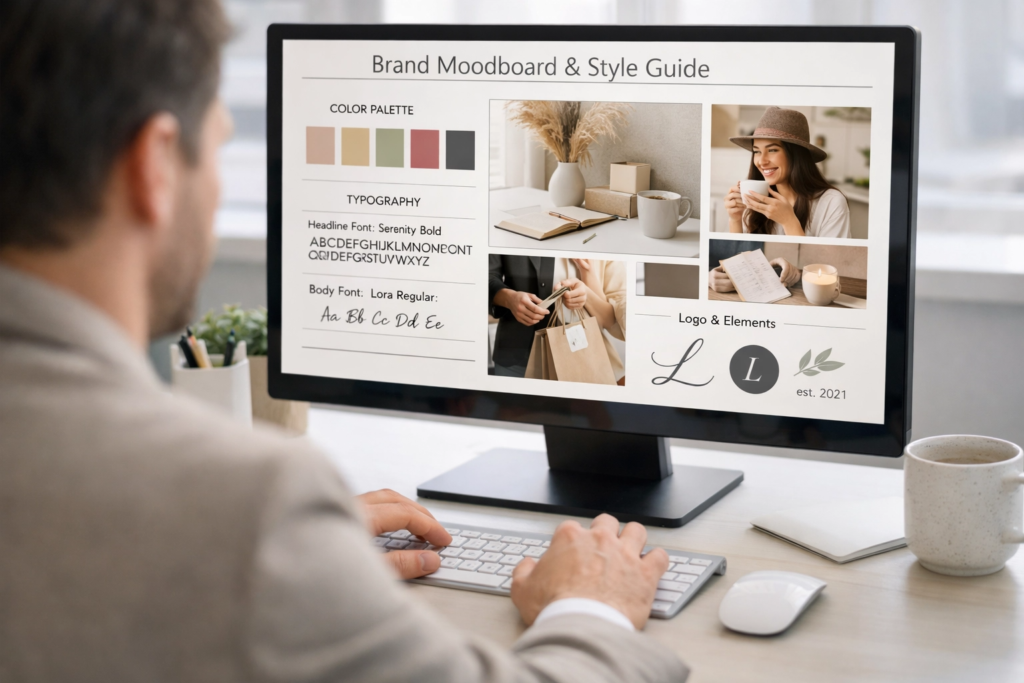
If you’ve read this far, you’re already ahead of most business owners. Knowing the difference between a logo and a brand is the first step towards building something that actually works.
Here’s a simple way to think about your next move:
- Audit what you’ve got – Look at your current logo, website and social media with fresh eyes. Does it all feel cohesive? Does it reflect where your business is now?
- Define your brand foundations – What are your values? Who is your ideal customer? What do you want people to feel when they interact with your business?
- Invest in the full picture – If budget allows, go beyond just the logo and invest in a brand identity that gives you a consistent, professional foundation to grow from.
If you’re refreshing your site at the same time, grab our Website Conversion Workbook to spot quick wins before you redesign — then book a free consultation with 36 Visuals and let’s talk through what your business needs.
Final Thoughts
A logo is a fantastic starting point. But it’s just that — a starting point. Your brand is the whole story: the colours, the words, the feeling, the experience, the reputation. It’s what turns a one-time buyer into a loyal customer who sends you referrals.
The businesses that grow fastest aren’t always the ones with the flashiest logos. They’re the ones with the clearest, most consistent brands — the ones that people instantly get, trust and remember.
If you’re serious about growing your business, it’s time to think beyond the logo.